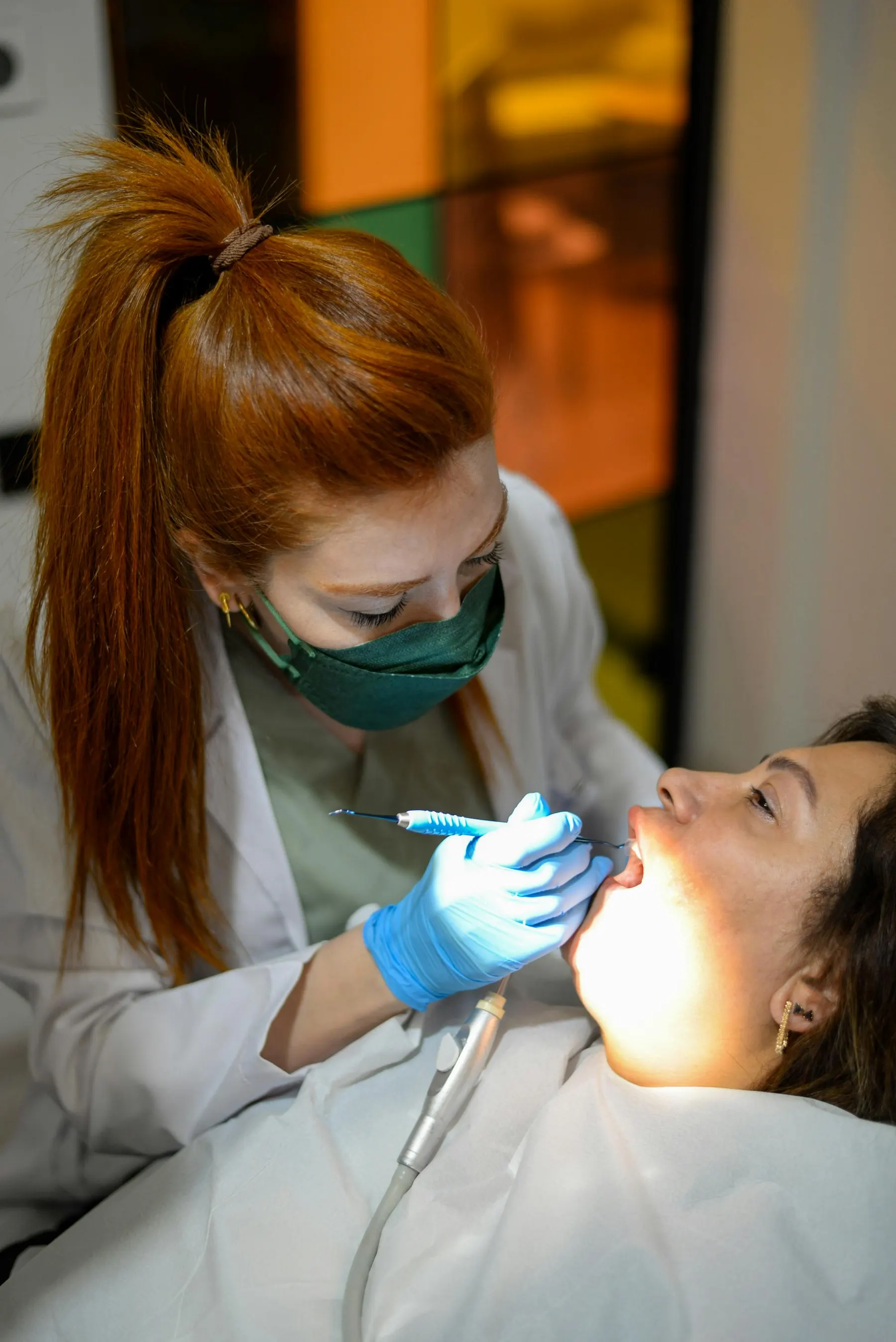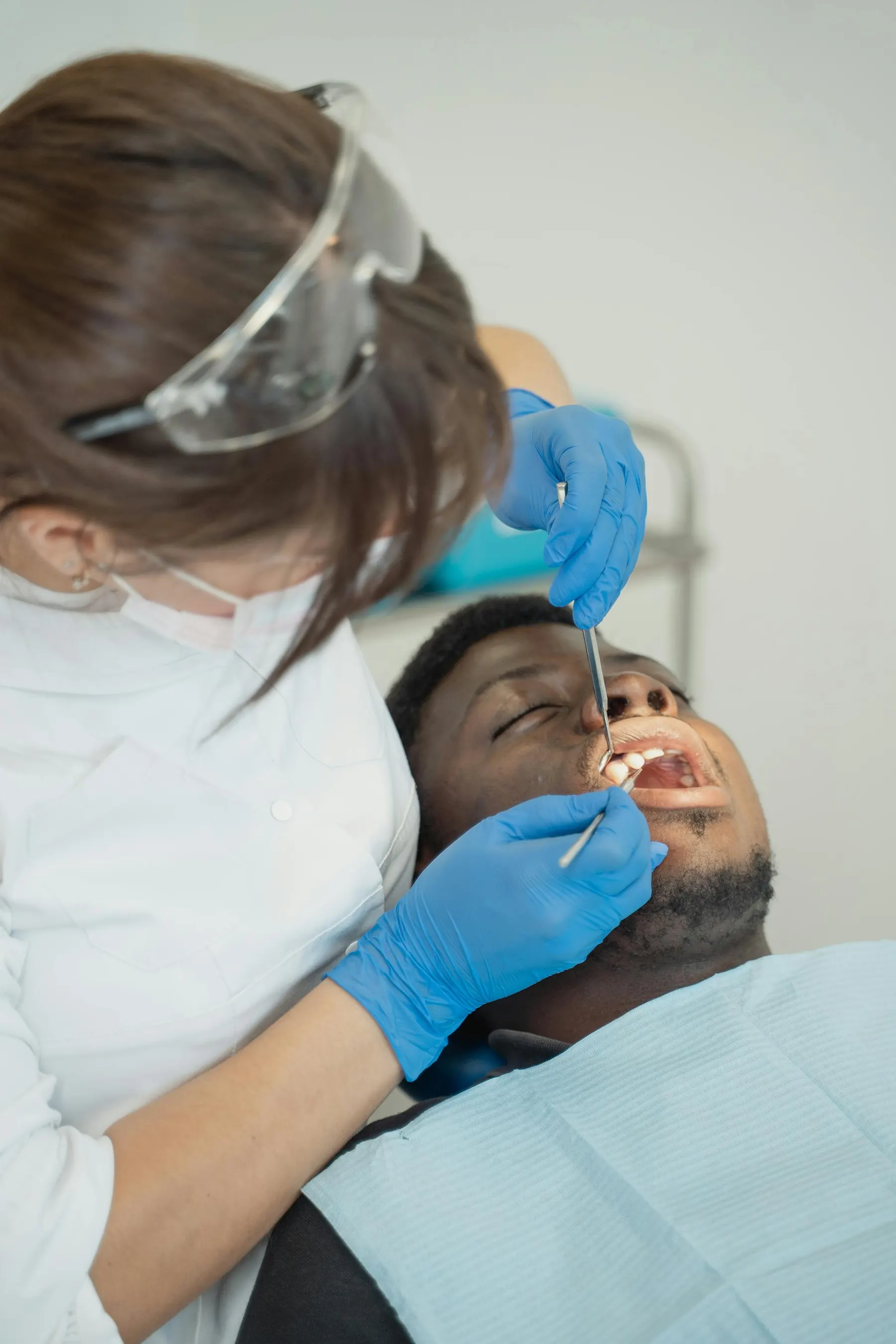
Professional whitening lightens the colour of the tooth itself. Most kitchen remedies just polish the surface, which is not the same thing.
Teeth whitening is one of the most-searched topics in cosmetic dentistry, and one of the most misunderstood. The short version: it works, the science is well-understood, and a properly-done treatment is safe. The longer version is about choosing the right method for your teeth and skipping the trends that do more harm than good.
How whitening actually works
A whitening agent — almost always hydrogen peroxide or carbamide peroxide — penetrates the enamel and breaks apart the pigmented molecules inside the dentine. The tooth becomes lighter from the inside out, not just polished on the surface.
That distinction matters. A toothpaste that "whitens" by being abrasive removes surface stain, but it does not change the underlying colour of the tooth. Real whitening only happens when peroxide is involved.
What we recommend, ranked
1. In-clinic professional whitening — the most reliable
A single 60 to 90-minute visit using a 25-40% hydrogen peroxide gel under strict isolation (gum protection, cheek retractors, sometimes a light to accelerate the reaction). Most patients lighten by 3-8 shades in one session.
- Best for: Patients who want a visible result fast, or who have a specific event coming up.
- Cost: Highest of the options. Worth it for the consistency.
- Sensitivity: Some patients experience zingers for 24-48 hours afterwards. They settle on their own.
2. Custom take-home trays — best long-term value
We take an impression and make a tray that fits your teeth precisely. You wear it at home for 30 minutes to an hour a day, for one to two weeks, with a 10-22% peroxide gel.
- Best for: Patients who want gradual results, or who want a maintenance system they can re-use for years.
- Cost: Mid-range. The trays last several years if you look after them.
- Sensitivity: Lower than in-clinic because the concentration is lower.
3. Over-the-counter whitening strips — fine for mild staining
Strips contain low-concentration peroxide (usually 5-10%) and adhere to the front teeth for 30 minutes a day, typically for two weeks.
- Best for: Mild surface staining, occasional touch-ups.
- Cost: Lowest of the peroxide-based options.
- Sensitivity: Generally mild. The bigger limit is that strips only reach the front of the visible teeth, so back teeth and edges stay the original colour.
What we recommend skipping
Charcoal toothpaste. It is abrasive enough to remove surface stain (and, with daily use, enamel). It does not whiten the tooth itself. Long-term use leaves teeth more yellow as the enamel thins and the darker dentine shows through.
Baking soda and lemon juice. A genuinely terrible idea. Lemon juice is acidic enough to dissolve enamel; baking soda then scrubs the softened surface. We have seen significant erosion from a six-month "natural whitening" routine.
Whitening pens from online marketplaces. The active ingredient (if any) is unregulated. Concentrations range from too weak to do anything to dangerously high. The gels often leak, irritating gums.
UV light gadgets sold direct-to-consumer. The light itself does very little; the brand sells the aesthetic of clinical treatment. Without proper gum isolation, the gel can cause chemical burns.
What whitening cannot fix
Whitening only works on natural tooth enamel. It does not lighten:
- Crowns, veneers or fillings — these stay the colour they were made.
- Tetracycline staining (a deep grey-purple band from childhood antibiotic exposure) — sometimes responds slowly; sometimes needs veneers instead.
- Single dark teeth caused by a previous trauma or root canal — these usually need internal whitening or a veneer.
It also does not work permanently. Most patients see results last 1-3 years before a touch-up is worth doing, depending on coffee, tea, red wine and smoking habits.
How we decide what to recommend
A whitening consult takes about 30 minutes. We photograph your teeth in natural light, check for existing restorations and any active decay, and look for the underlying cause of the staining. We never whiten teeth with untreated decay or active gum inflammation — both need to settle first.
If you are about to spend money on a whitening product, that is a good reason to come in for a quick consult. We will tell you what is likely to work for your specific teeth, and what is just expensive packaging.
End