A sudden, sharp pain that fades within seconds usually points to exposed dentine. A dull ache that lingers points to something deeper.
If a sip of cold water makes you wince, you are not alone. Tooth sensitivity is one of the most common reasons people first walk through our doors — and it is almost always treatable once we understand the cause.
What sensitivity actually is
The outer layer of a tooth, the enamel, has no nerves. The layer beneath it, the dentine, contains thousands of microscopic tubules that lead straight to the tooth's nerve. When dentine is exposed — by worn enamel, a receded gum, a cracked filling or early decay — hot, cold, sweet and acidic foods can travel down those tubules and trigger a sharp jolt.
The five most common causes
- Worn enamel. Acidic drinks (citrus, soda, even sparkling water), aggressive brushing, and grinding all thin the enamel over time.
- Receding gums. Gum recession exposes the root surface, which has no enamel coating at all. Many adults over 40 have some recession without realising it.
- A cavity or cracked tooth. Decay that has not yet broken through the surface can still let sensitivity through. Hairline cracks do the same.
- A failing filling. An old filling that has loosened, leaked, or pulled away from the tooth can leave a sensitive margin.
- Recent dental work. A new filling, crown or whitening session can leave a tooth sensitive for a few days to a few weeks. This usually settles on its own.
What you can do this week
For mild, occasional sensitivity:
- Switch to a desensitising toothpaste. Look for potassium nitrate or stannous fluoride on the label. Use it twice a day, every day, and give it three to four weeks to work.
- Use a soft-bristled brush and gentle pressure. If you can flatten the bristles against your teeth, you are pressing too hard.
- Cut back on acidic drinks or use a straw. Rinse with water — do not brush — for at least 30 minutes after.
- Wear a mouth-guard at night if you suspect grinding. A pharmacy boil-and-bite guard is a fine place to start while you wait for a proper fitting.
When to come in
Sensitivity that is sharp but fades within seconds is usually surface-level and responds well to toothpaste alone. But come in if:
- The pain lingers for more than 30 seconds after the trigger goes away.
- It wakes you at night or throbs without a trigger.
- It is isolated to one tooth rather than a general feeling across the mouth.
- You can see a notch, crack, or dark spot on the tooth.
Those signs point to something deeper than surface sensitivity — a cavity, a crack, or early nerve involvement — and the sooner we catch it, the smaller the fix.
What we can do in the clinic
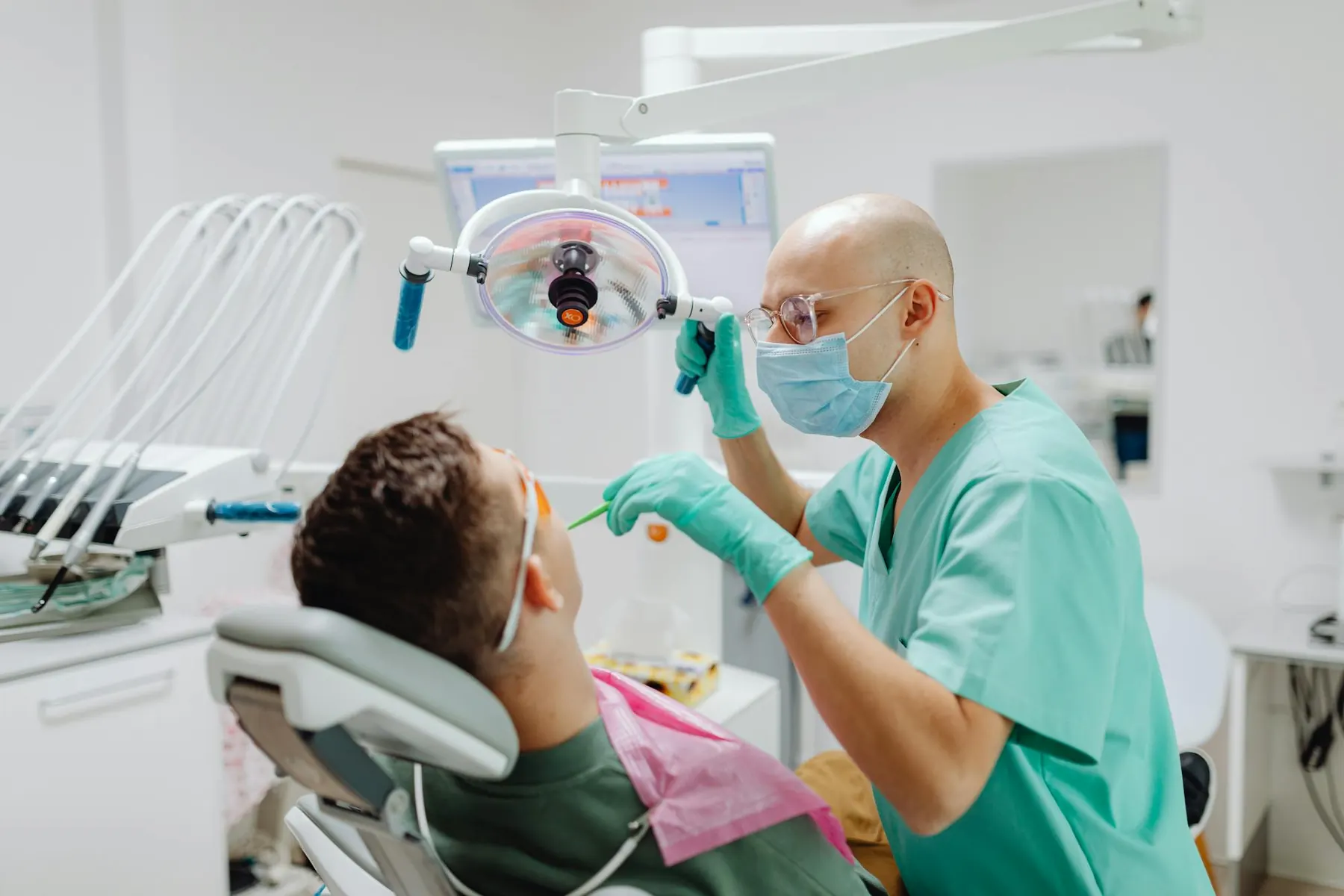
A proper sensitivity assessment takes about 30 minutes. We map the affected teeth, check for visible damage, take a small x-ray if needed, and decide between:
- Topical fluoride or desensitising varnish painted onto the exposed surfaces — quick, painless, and effective for most cases.
- Bonding over an exposed root surface to seal the tubules.
- A new filling or crown if the cause is a cavity or a failing restoration.
- A custom night-guard if grinding is wearing the enamel down.
For most patients, the relief is immediate and lasts months. For long-term protection, we pair the in-clinic treatment with a home routine you can actually keep up with.
If you have been living around your sensitivity — chewing on one side, avoiding ice, hovering over your morning coffee — that is the moment to call. It is one of the simplest problems we solve.
End